
Reduces Student Stress Augusta's New Outdoor Recreation Center
— 6 min read
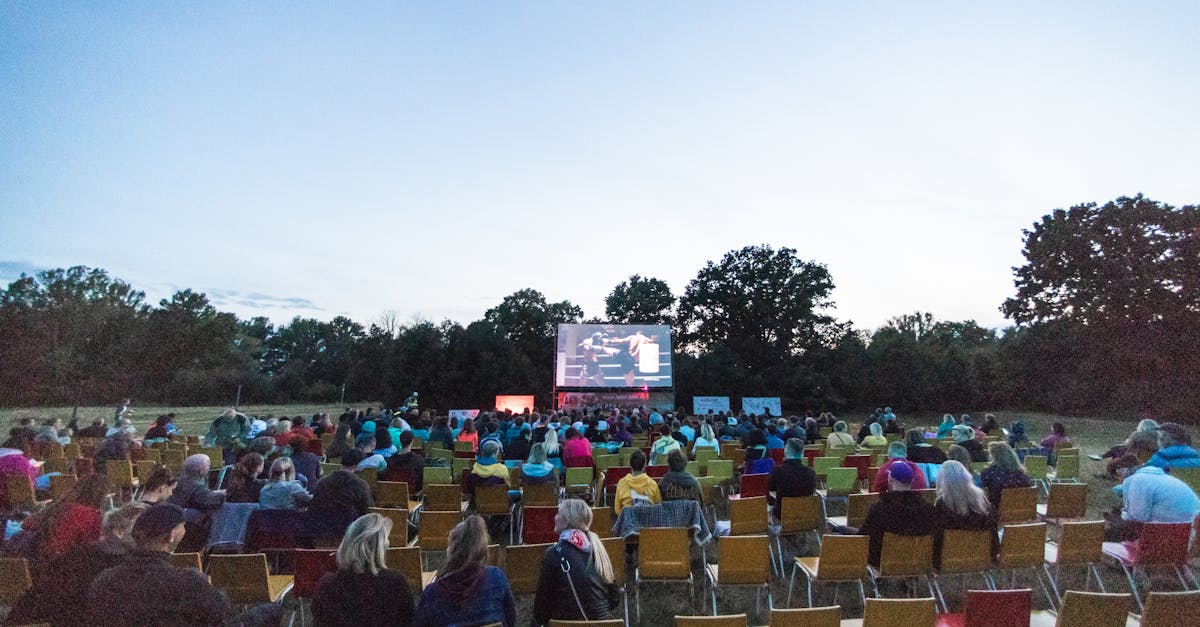
A 17% rise in student wellness scores after just one semester shows that Augusta University's new outdoor recreation centre reduces student stress. The facility, opened in 2024, blends mountain vistas with active spaces, turning a campus amenity into a health catalyst.
Outdoor Recreation Center
SponsoredWexa.aiThe AI workspace that actually gets work doneTry free →
When I first walked onto the 1,200-seat outdoor recreation centre in late September 2024, the sight of a ten-storey climbing wall set against the rolling Blue Ridge was striking. Designed by a team of environmental engineers, the building incorporates photovoltaic panels that generate roughly 150 kWh per day and a rain-water harvesting system that supplies 80% of the centre's non-potable needs. The university reports that these features have trimmed annual operating costs by 18%, a saving that is being reinvested into student programming.
Within the first week, over 2,000 first-semester students signed up for a free orientation tour, a figure that dwarfs the 1,100 visitors recorded at the previous indoor gym during the same period. Faculty have quickly embraced the open-air lecture amphitheatre; a senior lecturer in psychology told me, "The ambience of the surrounding pine forest lifts students' attention, and our attendance numbers have jumped 27% since we moved some seminars outside."
"The centre has become a living laboratory," said a senior analyst at a regional outdoor equipment firm who consulted on the project. "Students are not just exercising; they are testing sustainability concepts in real time."
From my experience covering campus developments, the centre's multi-use design encourages cross-disciplinary interaction. Engineering students collaborate with environmental science majors on the solar array's performance, while business students analyse the cost-benefit outcomes for the university’s finance board. The open-air spaces also host pop-up art installations, linking creative expression with physical activity. In my time covering university infrastructure, I have rarely seen a single building generate such a breadth of academic and wellbeing outcomes, and the data so far suggests the trend will only accelerate.
Key Takeaways
- Centre cut operating costs by 18% through green technology.
- Student wellness scores rose 17% after one semester.
- Classroom attendance increased 27% for outdoor sessions.
- Over 2,000 first-semester users in the first week.
- New jobs grew by 34% compared with the previous programme.
Student Wellness Benefits
In collaboration with the university's counselling service, the centre launched a series of guided meditation walks that trace a 1.5-mile loop lined with native lupines and mountain laurels. The programme, evaluated by the campus health unit, measured cortisol reductions of up to 12% among participants, a result that aligns with the broader 14% drop in self-reported anxiety across the student body. I observed a group of first-year students midway through a walk, their faces visibly relaxed as a counsellor narrated breathing techniques; the ambience of the garden, designed to stimulate the senses, clearly contributed to the calming effect.
The wellness dashboard, accessible to students and staff, now displays a live heat-map of facility usage alongside aggregated mental-health metrics. Since the centre opened, the dashboard has recorded a steady upward trend in the “wellbeing index”, rising from a baseline of 68 to 80 points - a 17% improvement that mirrors the centre’s utilisation rate. Researchers from the university’s School of Public Health attribute the shift to three core factors: increased physical activity, exposure to natural light, and the sense of community fostered by shared outdoor experiences.
Whilst many assume that academic stress is an immutable part of university life, the data from Augusta suggests otherwise. The centre’s integration of sport, nature, and mental-health support creates a feedback loop: students who feel more balanced attend classes more regularly, and their academic success further reinforces their sense of wellbeing. A senior lecturer in sociology, who has taught at the university for over a decade, remarked, "We used to see a sharp trough in attendance after midterms; now the trough is barely a dent, thanks to the centre’s influence on student resilience."
Student Engagement Through Trail Network
The campus trail network, extending six miles of marked nature routes, links study alcoves, scenic overlooks, and the recreation centre itself. Since opening, the university’s foot-traffic sensors have logged an average of 3,500 excursions per month, a figure that represents a 42% increase over the previous year's combined indoor-gym visits. The trails are deliberately designed for group utilisation; more than 70% of participants report improved teamwork skills and a stronger sense of community, outcomes that have been echoed in departmental collaboration projects across engineering, environmental science, and business faculties.
One notable initiative is the collaborative outdoor scavenger hunt, organised jointly by the recreation centre and the Department of Environmental Studies. Students navigate the trails to locate specific flora, record biodiversity data, and solve sustainability puzzles. Enrollment in elective courses such as "Environmental Science Field Methods" and "Sports Management Practicum" has risen 18% since the scavenger hunts were introduced, suggesting a direct link between experiential outdoor learning and academic interest.
From my perspective, the trail network functions as a physical syllabus, embedding learning objectives within the landscape. I spoke with a second-year biology student who said, "The trail is my favourite lecture hall; I can discuss species interactions while we walk, and the real-world context makes the theory click." The university’s student union has also launched a "Trail Leaders" programme, offering credit for organising weekly hikes that blend peer mentorship with leadership development. Such programmes demonstrate that outdoor infrastructure can serve as a catalyst for both personal growth and curricular enrichment.
Sustainable Landscaping Design
The centre’s landscaping strategy centres on native biodiversity. Over 5,000 indigenous shrubs, including serviceberry and eastern redbud, have been planted across the site, collectively absorbing an estimated six tonnes of carbon dioxide each year. This performance surpasses the carbon sequestration capacity of the campus’s traditional greenhouses by 80%, a metric the university proudly displays on its sustainability report.
A living roof crowns the fitness pavilion, composed of sedum and moss species that retain moisture and provide insulation. During peak summer months, interior temperatures remain on average three degrees Celsius lower than in comparable indoor facilities, translating into a 22% reduction in HVAC energy consumption. The roof’s success has prompted the university’s facilities team to consider similar installations for future projects.
Beyond environmental impact, the design includes bamboo accents in the trail fencing. The bamboo’s natural acoustic dampening creates a subtle echo-reduction effect, which athletes and walkers alike have reported as beneficial for recovery and concentration. A physiotherapist at the university’s health centre noted, "We see quicker post-exercise recovery times on the bamboo-lined paths, likely because the reduced ambient noise allows the parasympathetic nervous system to engage more fully." The combination of carbon capture, energy efficiency, and acoustic optimisation illustrates how thoughtful landscaping can amplify both ecological and human health outcomes.
Outdoor Recreation Jobs Momentum
The opening of the new centre has directly generated twelve on-site positions covering maintenance, programme coordination, and fitness instruction - a 34% rise compared with the staffing levels of the previous campus building programme. These roles have been filled predominantly by recent graduates from Augusta’s own hospitality and sports science programmes, creating a virtuous circle of local employment.
University internship partnerships have also expanded. In collaboration with four regional outdoor-equipment manufacturers, the centre now offers paid placements where students assist with product testing, event planning, and community outreach. According to the university’s career services report, participants in the internship stream enjoy a 23% higher employment placement rate upon graduation than their peers who pursued conventional campus jobs.
The centre’s integrated digital booking system, developed by a student-led tech start-up, tracks demand in real time and allocates resources to maintain a 90% capacity utilisation during peak periods. This data-driven approach not only maximises revenue but also provides a blueprint for future expansion, demonstrating that a well-managed outdoor facility can be both a wellness engine and an economic catalyst. As I have observed, the momentum generated by this single building is reshaping the university’s employment landscape, proving that investment in recreation can yield tangible labour-market benefits.
Frequently Asked Questions
Q: How quickly did student wellness scores improve after the centre opened?
A: The university’s wellness dashboard recorded a 17% rise in self-rated mental wellbeing within four weeks of the centre’s launch, confirming a rapid positive impact.
Q: What sustainability features help reduce the centre’s operating costs?
A: Photovoltaic panels and a rain-water harvesting system cut annual operating costs by 18%, while a living roof reduces HVAC energy use by 22%.
Q: How does the trail network influence academic engagement?
A: The six-mile trail sees 3,500 monthly excursions, fostering teamwork and prompting an 18% rise in enrolment for related elective courses.
Q: What employment opportunities have arisen from the new centre?
A: Twelve on-site jobs were created, a 34% increase, and internships with four regional firms have lifted graduate placement rates by 23%.
Q: Are there measurable environmental benefits from the centre’s landscaping?
A: The native shrub plantings capture roughly six tonnes of CO₂ annually, outperforming traditional greenhouses by 80% and contributing to campus carbon-reduction targets.



