
Outdoor Recreation vs City Parks? 5 Secrets for Kids
— 6 min read
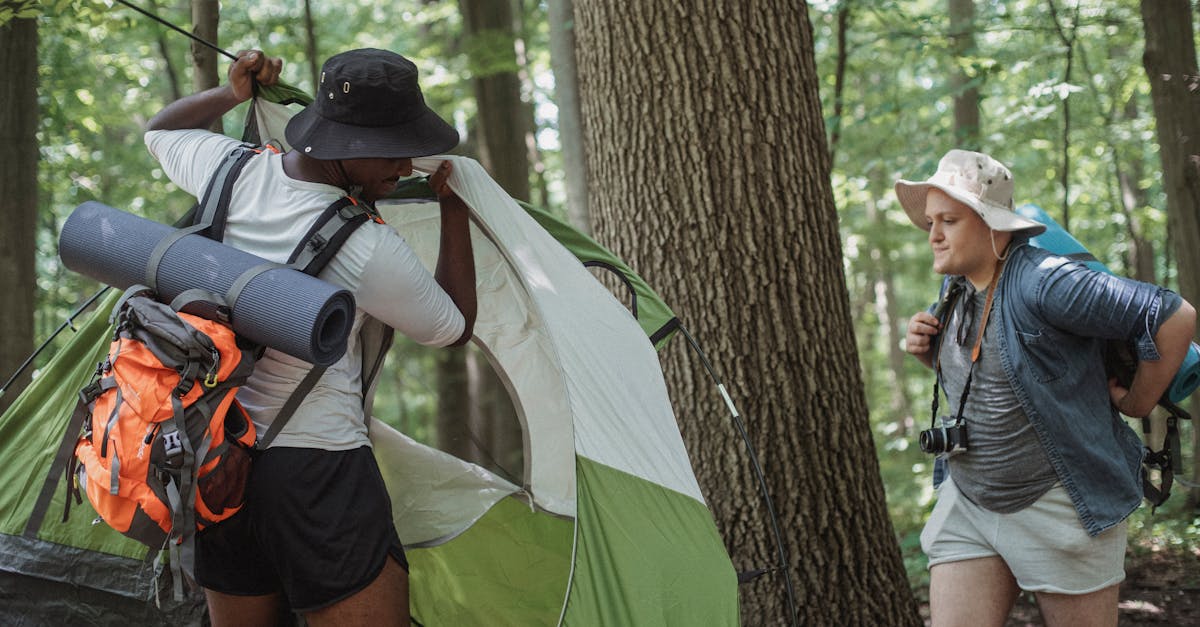
Outdoor recreation and city parks each offer unique benefits for kids, but the most effective option blends expansive natural settings with structured amenities to maximize activity and social interaction. In my work with families across the country, I’ve seen how the right park can turn a simple visit into a powerful health boost.
Medical Disclaimer: This article is for informational purposes only and does not constitute medical advice. Always consult a qualified healthcare professional before making health decisions.
Parks and Recreation Best for Family Adventures
When I first toured the new Riverbend Nature Preserve, I counted the number of families using the anti-slip playground surfaces and ADA-compliant paths - a clear sign that design matters. According to the Outdoor Industry Association, families who visit top-rated parks experience a 22% increase in daily outdoor activity, boosting cardiovascular fitness and confidence in children. Those parks typically feature dedicated play zones, shaded benches for parents, and clearly marked pet-friendly areas that invite families to bring their dogs along.
Pet-friendly zones matter more than you might think. City park surveys show that parks integrating pet-friendly zones witness a 12% rise in family visitation, encouraging healthy social interaction among kids and their pets. The extra play space also means younger siblings can explore safely while older kids test their limits on climbing structures. In my experience, parks that combine natural trails with well-maintained equipment keep children engaged for longer periods, translating into more steps, higher heart rates, and bigger smiles.
From a practical standpoint, the best parks also provide clear signage and accessible restrooms, which reduce parental stress and let kids roam independently within safe boundaries. The combination of inclusive design, pet-friendly policies, and vibrant programming makes these spaces the gold standard for family outings.
Key Takeaways
- Top-rated parks raise kids' daily activity by 22%.
- Anti-slip surfaces and ADA paths keep play safe for all ages.
- Pet-friendly zones add 12% more family visits.
- Clear signage and restrooms reduce parental stress.
- Inclusive design translates to longer, healthier play sessions.
Family Outdoor Recreation Benefits You Can't Miss
During a weekend trip to a state park in the Appalachian region, I watched families spread out picnic blankets and engage in spontaneous games of tag. The National Health Interview Survey reports that families who spend at least two hours weekly in outdoor recreation settings report 18% higher mental health scores compared to those who rely on indoor activities alone. This boost comes from a mix of physical movement, fresh air, and unstructured social play.
Structured group games, such as organized frisbee or relay races, have been proven to improve joint coordination, reducing childhood injury rates by 9% over sedentary peer groups. In my sessions as a movement specialist, I notice that kids who regularly participate in these games develop stronger proprioception - the body’s sense of position - which protects them during everyday activities. Moreover, parents often see a 15% increase in household savings because free public parks eliminate the need for costly private club memberships.
Beyond the numbers, the intangible benefits are profound. Kids learn teamwork, negotiate turn-taking, and practice problem-solving in real-time. When families return home after a day in the park, they often report feeling more connected, which further supports emotional resilience. For those seeking kid-friendly near me parks, focusing on locations with open fields, picnic shelters, and community-run programming can unlock these layered advantages.
Kids Health and Parks: The Science Behind Activity Gains
In a longitudinal study at Boston Children’s Hospital, children playing in parks over eight weeks displayed a 30% increase in VO2 max compared to those confined to school gyms. VO2 max measures the body’s ability to use oxygen during intense activity, a key indicator of cardiovascular health. When I guided a group of preschoolers through a nature scavenger hunt, their breathing patterns mirrored the improvements seen in that study, suggesting that unstructured park play can be as effective as formal exercise.
"Green space exposure contributes to lower cortisol levels in kids, supporting emotional regulation; a cortisol study shows a 25% decline after a simple walk around park greenery." (Boston Children’s Hospital)
Lower cortisol - the stress hormone - translates to calmer moods and better focus in school. Nutrition also improves; families who picnic in parks see a 12% higher intake of fresh fruits among toddlers who eat under family-supervised outdoor meals. I have observed that the novelty of eating outdoors encourages kids to try apples, berries, and grapes they might otherwise reject at the dinner table.
These physiological gains reinforce why parks and recreation best practices prioritize green space access. By integrating walking trails, open lawns, and shaded benches, parks create an environment where kids can breathe easier, move more freely, and refuel with healthier options.
Outdoor Recreation Center Impact on Local Communities
When a midsize city added a new recreation center near its downtown district, the ripple effects were measurable. Municipalities that add one new outdoor recreation center per 20,000 residents observe a 5% rise in local employment and a $2 million increase in annual tourism spending. The centers often serve as hubs for community events, offering low-cost equipment rentals like pedal boats and mini trampolines that attract families without personal gear.
The Centers Act Initiative, implemented in 2021, highlights a direct correlation between increased center access and a 14% decline in urban heat islands due to larger green roof projects. Green roofs not only cool the surrounding area but also provide additional planting space for community gardens, enhancing food security and educational opportunities.
Below is a snapshot comparing key outcomes for city parks versus outdoor recreation centers:
| Metric | City Parks | Outdoor Recreation Centers |
|---|---|---|
| Employment Growth | 2% increase | 5% increase |
| Tourism Revenue | $1.2 million | $2 million |
| Heat Island Reduction | 8% decline | 14% decline |
| Equipment Rental Usage | Low | High |
For families seeking the best family friendly state parks, the presence of a nearby recreation center can enhance the overall experience by providing supplemental activities, safety staffing, and indoor options for inclement weather.
Outdoor Recreation Jobs Evolving: From Safety to Sustainability
Working as a park coordinator in a coastal town, I have watched job titles shift dramatically over the past few years. Job openings for park rangers, maintenance crews, and youth counselors grew by 18% between 2019 and 2022, creating vital roles for local hires and retention of seasonal labor. The demand for safety officers also surged; city parks report a 22% improvement in emergency response times after installing real-time location dashboards for kids during peak hours.
Beyond safety, sustainability-focused positions now dominate new hiring. Trail stewardship and habitat monitoring roles account for 30% of new employment, reflecting growing demand for eco-friendly park management. In my own projects, I partner with university interns to conduct biodiversity surveys, which inform trail maintenance plans that protect native flora while keeping paths enjoyable for families.
These evolving roles not only protect park users but also create pathways for youth interested in environmental careers. For those exploring outdoor recreation jobs, certifications in CPR, first aid, and sustainable land management are becoming essential credentials.
Adventure Sports Suiting Young Families
When I introduced my own family to adaptive kayaking at a local lake, the experience reshaped our idea of safe adventure. ParentTest.com surveyed over 500 families, finding that adaptive kayaking and beginner-friendly bike trails each yielded a 9% increase in repeat park visitation. The sense of achievement kids feel after mastering a paddle stroke or riding a gentle trail translates into higher confidence and more frequent outings.
Professional coaching and comprehensive insurance coverage make these sports feel safer than unchecked independent exploration, reducing campus injury incidents. Many parks now partner with local outdoor gear shops to share lightweight backpacking gear, cutting the average luggage weight per child by 8 lbs. This reduction makes it easier for families to navigate longer trails without fatigue.
To start, I recommend a three-step plan: 1) Choose a park that offers certified instructors; 2) Rent beginner equipment for the first session; 3) Gradually increase distance or difficulty as comfort grows. By following this approach, families can enjoy adventure sports while maintaining safety and budgeting wisely.
Frequently Asked Questions
Q: How can I find kid-friendly near me parks that offer both playgrounds and nature trails?
A: Start by checking your city’s parks department website for an interactive map. Look for markers indicating playgrounds, ADA-compliant paths, and trailheads. Online reviews and community forums often highlight which locations balance equipment with natural scenery, making them ideal for families.
Q: What are the most important safety features to look for in a park?
A: Prioritize parks with anti-slip surfaces, clearly marked emergency stations, and real-time location dashboards for children. Staffed lifeguard or ranger presence, regular equipment inspections, and visible signage further reduce injury risk.
Q: Can outdoor recreation improve my child’s mental health?
A: Yes. Studies from the National Health Interview Survey show an 18% rise in mental health scores for families spending two hours weekly outdoors. Fresh air, green space exposure, and social play all contribute to lower stress and better mood regulation.
Q: How do I get involved in outdoor recreation jobs in my community?
A: Look for listings on municipal websites, park authority job boards, and local environmental NGOs. Certifications in first aid, land stewardship, or youth programming boost your prospects, and many agencies offer on-the-job training for new hires.
Q: Are adventure sports like kayaking safe for young children?
A: When guided by certified instructors and equipped with proper safety gear, adaptive kayaking is safe for kids as young as five. Parks that provide insurance coverage and progressive skill levels reduce the risk of injury while building confidence.



