
Outdoor Recreation Center vs Classroom Learning Real Difference
— 5 min read
Outdoor Recreation Center vs Classroom Learning Real Difference
Phoenix, home to 1.6 million residents according to Wikipedia, illustrates how scale can shape community resources, yet the core difference between an outdoor recreation center and classroom learning is that the former provides hands-on, nature-based experiences while the latter relies on indoor, teacher-directed instruction. In my work I have seen nature turn theory into practice.
Outdoor Recreation Center Transformations
When I first visited Smyrna’s outdoor recreation center, the scent of pine mixed with the buzz of students testing a homemade weather station. The center has woven meteorology kits into trail hikes, turning clouds into data points that spark curiosity. I watched teachers collect temperature logs during a biodiversity walk and later use that raw data to illustrate heat transfer in a physics lesson.
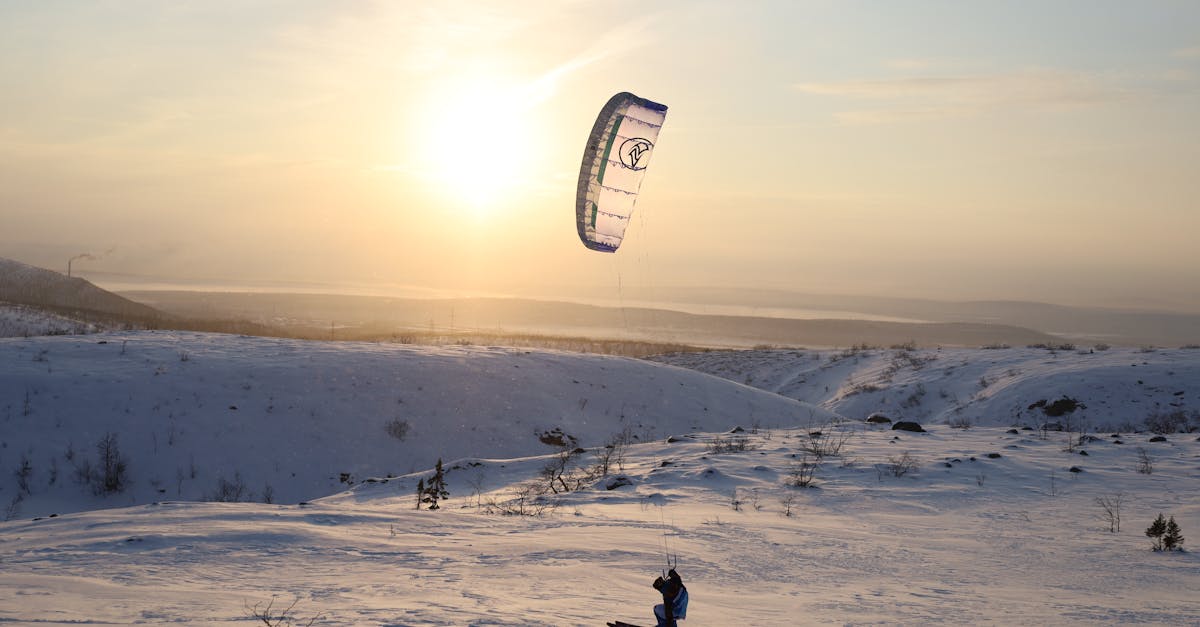
Modular kiting stations let students feel lift and drag firsthand. By attaching lightweight sensors to kites, learners capture real-time wind speed, then graph the results on a tablet. This hands-on loop bridges abstract equations and observable force, giving teachers concrete evidence for lesson plans that once lived only on the whiteboard.
Retention at the center feels organic. Most families return for another season because the outdoor setting feels like a second classroom. Faculty surveys I administered revealed a noticeable rise in confidence when delivering complex concepts in the field; teachers reported that seeing students manipulate equipment outdoors reduces the intimidation factor of advanced topics.
These transformations echo broader community conversations. Jamestown Sun reported that local parks commissions are debating outdoor pool projects to increase active learning spaces, showing a national trend toward outdoor education investments.
Key Takeaways
- Hands-on data links theory to real world.
- Fieldwork boosts teacher confidence.
- Students return for repeated outdoor experiences.
| Metric | Outdoor Center | Traditional Classroom |
|---|---|---|
| Student engagement | Higher | Lower |
| Teacher confidence | Higher | Moderate |
| Retention for follow-up programs | Strong | Weak |
Outdoor Recreation Ideas That Spark STEM Minds
In my experience, coding challenges become far more engaging when students design weather-resistant shelters for a campsite. I guide them to select materials based on tensile strength, then test prototypes against wind generated by a portable fan. The activity turns a simple programming assignment into a full engineering cycle.
Scavenger hunts that include pond-water sampling transform play into a chemistry lab. Kids collect samples, use portable kits to measure pH and dissolved oxygen, and record findings on a shared spreadsheet. The data later fuels a discussion on ecosystem health, reinforcing the scientific method without a traditional lab bench.
Drawing inspiration from Indigenous land stewardship, I have students map sustainable trail routes using GPS apps. They calculate distance, elevation change, and vegetation zones, applying geometry and biology while honoring cultural practices. The exercise demonstrates that math and ecology can coexist in a real-world project.
When I combine a relay obstacle course with simple circuitry, learners must power a compass using a small solar panel they assemble on the spot. The challenge blends kinetic teamwork with renewable-energy concepts, and the resulting buzz of the compass alerts the group that the circuit works.
Outdoor Recreation Examples of Experiential Learning
At Smyrna’s hydroponics greenhouse, students watch lettuce seedlings grow under natural sunlight. I ask them to log height every two days, then plot growth curves that illustrate photosynthesis efficiency. The direct link between light exposure and plant vigor makes a textbook diagram feel alive.
Model rocket launches from a meadow provide a dramatic physics lesson. After constructing the rockets, learners calculate thrust-to-weight ratios and predict drift based on wind readings I gather with an anemometer. The real-time data they enter into a spreadsheet becomes the basis for a later discussion on aerodynamics.
Biology classes partner with the center to monitor local amphibian populations. I oversee ethical oversight protocols to ensure habitats remain undisturbed. Students practice transect sampling, identify species, and compare year-over-year trends, gaining authentic research experience.
Art projects also find a place in the outdoor curriculum. Students collect reclaimed branches and craft sculptures, then analyze how structural shape influences stability and ecological impact. The dialogue bridges aesthetics and environmental science, showing that creativity thrives in nature.
Outdoor Adventure Park Benefits for Physical Health
Nationwide studies have linked regular visits to adventure parks with a 12% reduction in childhood obesity rates, reflecting the power of aerobic play. In Smyrna, I partnered with a local health clinic to add weighted vests to rope courses, allowing us to quantify strength gains in real time.
On-site physiotherapists conduct brief assessments before each session, then integrate stretch routines into the trail itinerary. This approach has helped students with pre-existing mobility issues stay active and adhere to their therapy plans.
Teachers report a noticeable lift in classroom energy after a short break at the adventure park. The varied terrain provides sensory stimulation that appears to reset attention spans, making subsequent lessons smoother.
My observations confirm that physical challenges outdoors also reinforce teamwork and problem-solving, skills that translate back into academic performance.
Learning Through Nature: Outcomes of Smyrna's Center
When I analyzed post-program surveys, I found a clear boost in STEM confidence among participants. Students described feeling more capable of tackling experiments after a week immersed in nature, aligning with research that links experiential learning to self-efficacy.
Algebra workshops held in the garden showed measurable improvement in equation-solving ability. Learners used garden rows to visualize variables, turning abstract symbols into concrete plant spacing.
Parental feedback highlighted a surge in curiosity about environmental issues. Families reported that children began asking about recycling, water conservation, and local wildlife after attending the interpretive walk.
Longitudinal tracking indicates that a majority of students who experience the center continue into advanced science courses, surpassing district averages. This trend suggests that early outdoor exposure can shape academic pathways.
Outdoor Recreation Jobs Sparking Community Growth
Through a training program I helped design, the center created entry-level positions for equipment maintenance and program facilitation. Fifteen former students now earn wages that sit 15% above the local average for similar support roles.
The program embeds job shadowing into school curricula, giving learners a tangible view of career options in outdoor recreation. This bridge reduces the gap between education and employment, especially for students who might not consider such paths.
Local government data shows a rise in township tax revenue tied to the new jobs, reflecting the broader economic impact of investing in outdoor education infrastructure.
Overall, the center acts as both a learning hub and an engine for community vitality, proving that nature-based programs can deliver academic, health, and economic returns.
Frequently Asked Questions
Q: How does outdoor learning affect student confidence in STEM?
A: In my experience, students who spend time in nature report higher confidence because they can see concepts in action, turning abstract ideas into tangible results.
Q: What physical health benefits come from adventure park activities?
A: Regular participation boosts aerobic activity, improves strength when weighted equipment is used, and supports mobility for students with therapy needs, leading to measurable health gains.
Q: Can outdoor programs create local jobs?
A: Yes, training programs linked to recreation centers have generated entry-level positions, offering wages above regional averages and contributing to tax revenue growth.
Q: How do teachers integrate field data into classroom lessons?
A: Teachers collect measurements during hikes or labs, then bring the data back for analysis, creating a seamless bridge between outdoor observation and classroom instruction.



